Traditional Sailing
Seen in a New Way

Imagine sailing on a traditional wooden vessel through the Flores Sea. True relaxation, gorgeous views. A once-in-a-lifetime opportunity, this is. A dream that can be fulfilled. Let us show you this breathtaking part of the world. Come experience it… and travel With Clarity.

Ambiance

The mood’s relaxed. And the crew’s adept but mellow, in an island-fashion typical in this part of the world – replete with an overlay of Southeast Asian politeness.

This isn’t just the way to travel. This is the way to be.

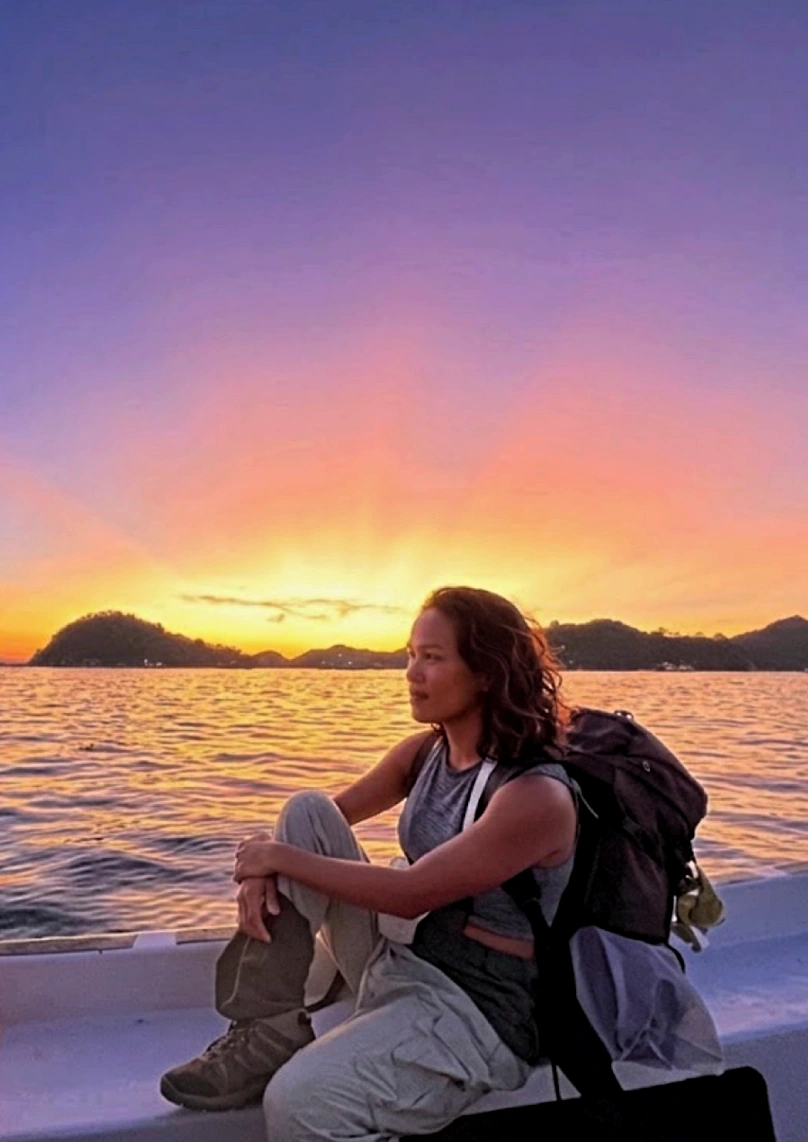
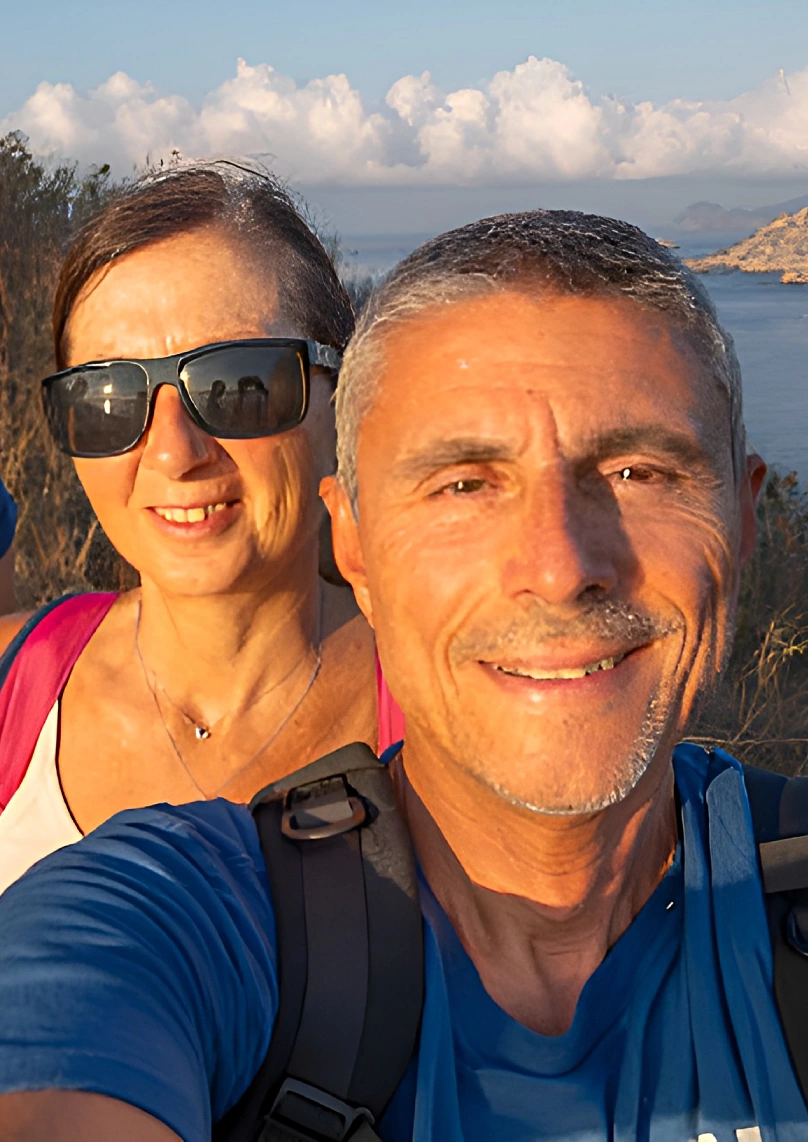
Don’t miss the orange globe go down, and the sky miraculously change, literally second by second. Everything happens slower here in the islands… even the sky colors last long after the sun’s dropped over the horizon. These are, you realize, the sunsets of your life. And without judgement or too much analysis, the vibe’s free and relaxed in a way we just can’t seem to get on land.
Itinerary

Amongst literally thousands of islands – Indonesia’s archipelago boasts nearly 17,000 pieces of land surrounded by water – many are uninhabited, and many are small. Glancing around, you can see craggy rocks, sensuous hills, and mountains – all surrounded by a mix of seas. The sparkling sun reflects off them, and wildlife appears at the strangest times…

Think flying fish, flying foxes, and bright blue kingfishers – flying fast from the trees. As striking as it is wild, the land and the sea and the air and the light all combine to create a spectacular landscape.

Our exact itineraries amongst the Komodo Islands vary on length of trip…

There’s a direct correlation between the number of days you stay and the deeper you sink into relaxation. We recognize that not everyone has the same luxury of time, so we’ve set up trips for as few as three days and up to twelve. Although we recommend at least six days, will work with you to make your travel experience amongst the best you’ll ever have.

For 3 and 4 day trips, you can expect to see:

Other-worldly Komodo Dragons
Oversized monitor lizards, these carnivorous, other-worldly beings are truly amazing. And they’re endemic to the island of Komodo, which was declared a World Heritage Site by UNESCO about thirty years ago. Since 2021 experts believe they’re headed towards extinction, so Komodo dragons are now considered an endangered species. Easily the largest lizard on earth, Komodo Dragons can grow up to 10 feet, yet no one knows exactly why. Some theorize it’s due to the biological effect known as Island Gigantism: no other carnivorous animals fill the niche on the islands where they live. Others say they’re a relict of prehistoric lizards from Australia, most of which died out after the Pleistocene era, due to human activity. Yet almost everyone agrees: there’s nothing on the planet like them.

Beaches – stunning, private, and quiet
Indonesian islands form an intricate coastline that’s the fourth longest in the world. Being so extensive, it’s characterized by coral reefs, deposits from volcanoes, and rich marine biodiversity. The islands we visit make up the driest climate in the country. The combination of effects create a rare form of beach: relatively dry, surrounded with endemic plants and cliffs that create visual privacy. Coral reefs form simple white or yellow sand beaches. Wave action in the waters is largely generated by local winds, which are gentle in the equatorial zone – perfect for swimming and snorkeling.

Thermo-regulating Flying Foxes
With a habitat ranging from Africa to Southeast Asia and Australia, these creatures – with faces that look like foxes – are the largest bats on earth. Think: Six foot wingspans… yet that’s not all that keeps them from being average flying bats. Living in large colonies, these “megabats” use sight, rather than echo-location, to navigate. And, they have an excellent sense of smell. It’s phenomenal to see them head out at night, searching for fruit – their dietary staple. They’ve evolved to thermo-regulate, as the trees get really hot at times. Sometimes you can even see them during the day, roosting in large numbers, flapping their wings.

The Coral Triangle – greatest diversity on earth
Although it makes up less than 2% of Earth’s oceans, the Coral Triangle encapsulates 75% of all known coral species in the world. There’s seven species of marine turtles on our planet – and six of them are found in the Coral Triangle. Imagine a place with a staggering biodiversity that includes peacefully-gliding manta rays, the world’s largest extent of mangroves, over 3,000 different species of reef fish, and 500 species of reef-building corals. Nothing short of spectacular.

For 6 and 9 day voyages, we’ll get to all of the above, plus:

Namo Island, with its rare red beach
Get this: there’s less than ten beaches on the entire planet that have red beaches. The pink-red color comes from foraminifera, single-celled organisms. Funny that most people don’t know them; they’ve been on earth for the last 540 million years. It’s the shells of foraminifera, that churn up on only a few select beaches in the world. And it’s a very small number of people on the planet who can actually see them. Join the club.

The breathtaking, picturesque Padar Island
Green mountains surrounded by three turquoise bays? Sure, it sounds lovely. But Padar Island has a surreal quality, due to the different colored sand in each one of its bays – one’s white, one’s black, and one’s pink. To see ‘em, we’ll go early, while the sun’s still low. A thirty minute hike up, and you’re in one of the most picturesque places on the planet. Yep – guaranteed.

Rangko Cave – literally, a tropical wonderland
Enter a swimming hole inside a cavern. Crystal clear water, that seems to light up electric turquoise when the sunlight enters through the mouth of the cave. Marvel at the vibrating reflections of the water, off the stalactites that seem to drip down from above. Swim, cliff jump, or just hang out in a stalagmite and stalactite-filled tropical wonderland.

For 12 day trips, you can enter untouched territory:

Banta Island
Banta is an island from a dream, with a jagged coastline, high mountains, finger-shaped bays, and deserted white beaches. There are no villages or formal trails, which only contributes to the already rugged conditions of the island. And yet you can easily climb the foothills for fantastic views of the Sape Strait, as well as the grandiose Komodo Island. On the west side of Banta Island is a breathtaking view of the volcanic island of Sangeang, rising tall from the beautiful blue sea. Explore below the surface of the sea with a snorkel and mask, and you’ll find a magnificent underwater world that’s different from what you’ve already seen – and it’s just waiting to be explored.

Sangeang Island
Our boat will float around this impressive volcanic mountain island – which at nearly 2000 meters is actually visible from Labuan Bajo, where you started your trip. An active complex volcano, we can go by dinghy to the land, to see the magma trace of the eruption. This volcano is still active, so of course we’ll make sure it’s safe before we actually approach it. In fact, Sangeang Api is one of the most active volcanoes in the Lesser Sunda Islands. It erupted in 1988 and at that time, the island’s inhabitants were evacuated. Between its first recorded eruption in 1512 and it’s last, it has erupted 17 times – most recently in December of 2012.

Tanjung Mariam
Besides boasting beautiful beaches, Tanjung Mariam is famous for its columnar joint rocks, which look like they were created by some ancient civilization. But in fact, it’s just nature doing something spectacular again, forming a regular array of polygonal prisms with igneous rocks, cooling lava flows, and ash flow tuffs. We’ll have a unique chance to see these natural sculptural formations in stone.

Pulau Kelapa
The uninhabited Island Pulau Kelapa literally means “Coconut Island”, although you won’t find any coconuts there. An outer island of West Nusa Tenggara Province, it’s known for the magnificent view from the top of the island. Pulau Kelapa is permanently uninhabited, but some coastal plains are tilled by seasonal farmers nearby. Trek to the peak of the island for an extraordinary 360 degree view: in every direction, the eye can see vast expanses of fields and savannah-like hills. Prefer to stay closer to the pinisi? The small rocky islands around Pulau Kelapa create shelter from waves, and offer an unforgettable snorkelling experience.

The Boat

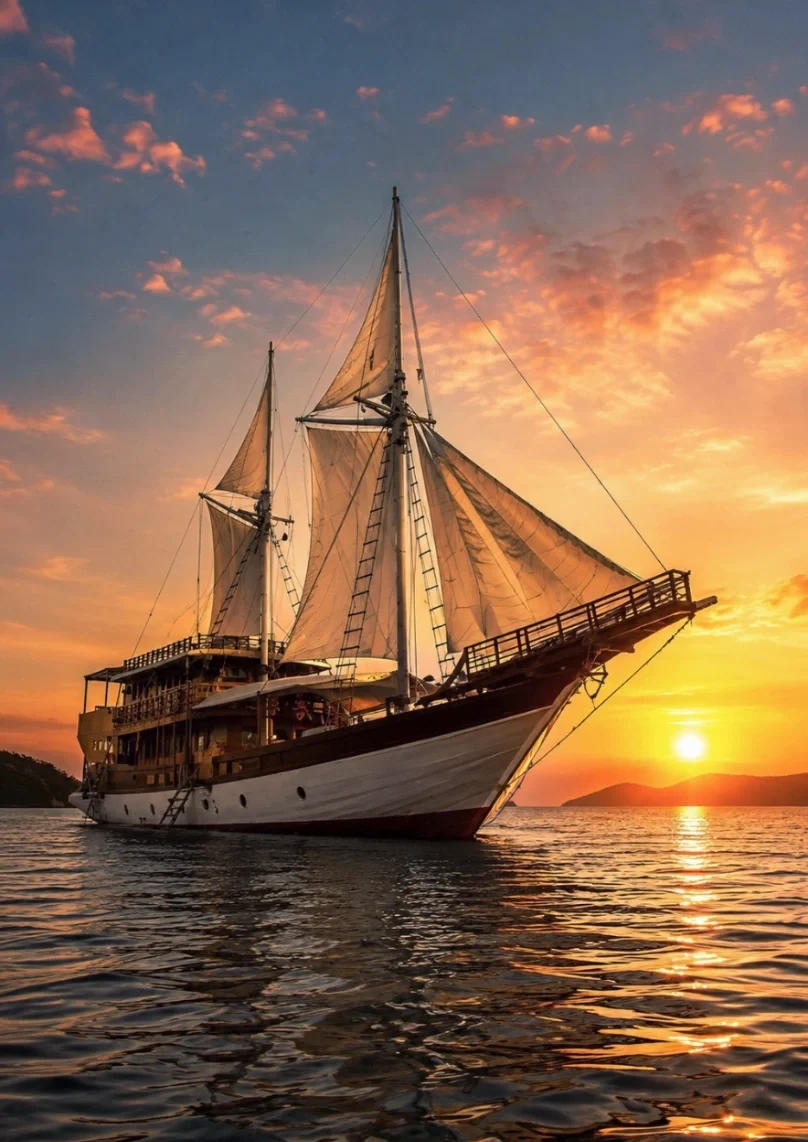
We sail on a “Pinisi” boat – a large wooden sailing ship, made completely without nails, in the traditional Bugis style. Pinisi have been made this way for at least 1,500 years, by craftsmen on the southern part of the Indonesian island of Sulawesi. In 2017, UNESCO designated these ships as an art of “Intangible Cultural Heritage”.
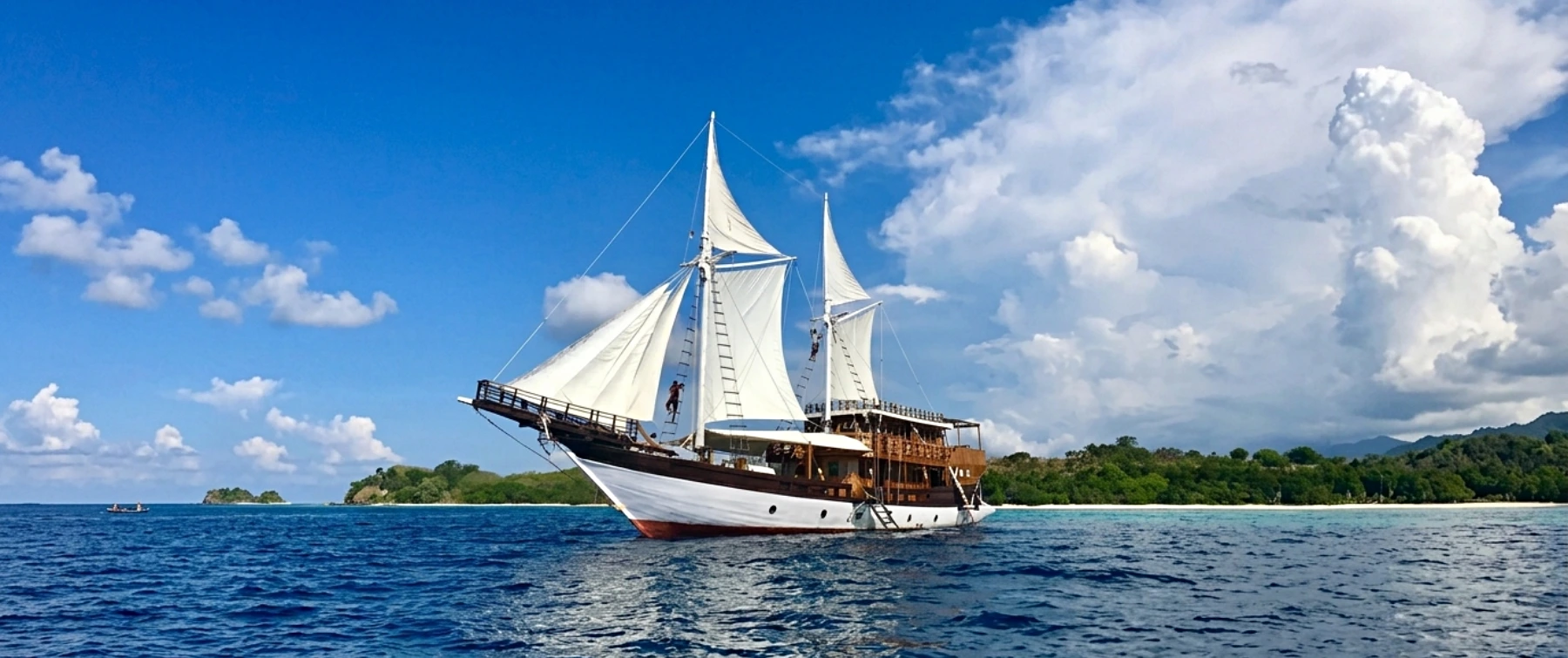
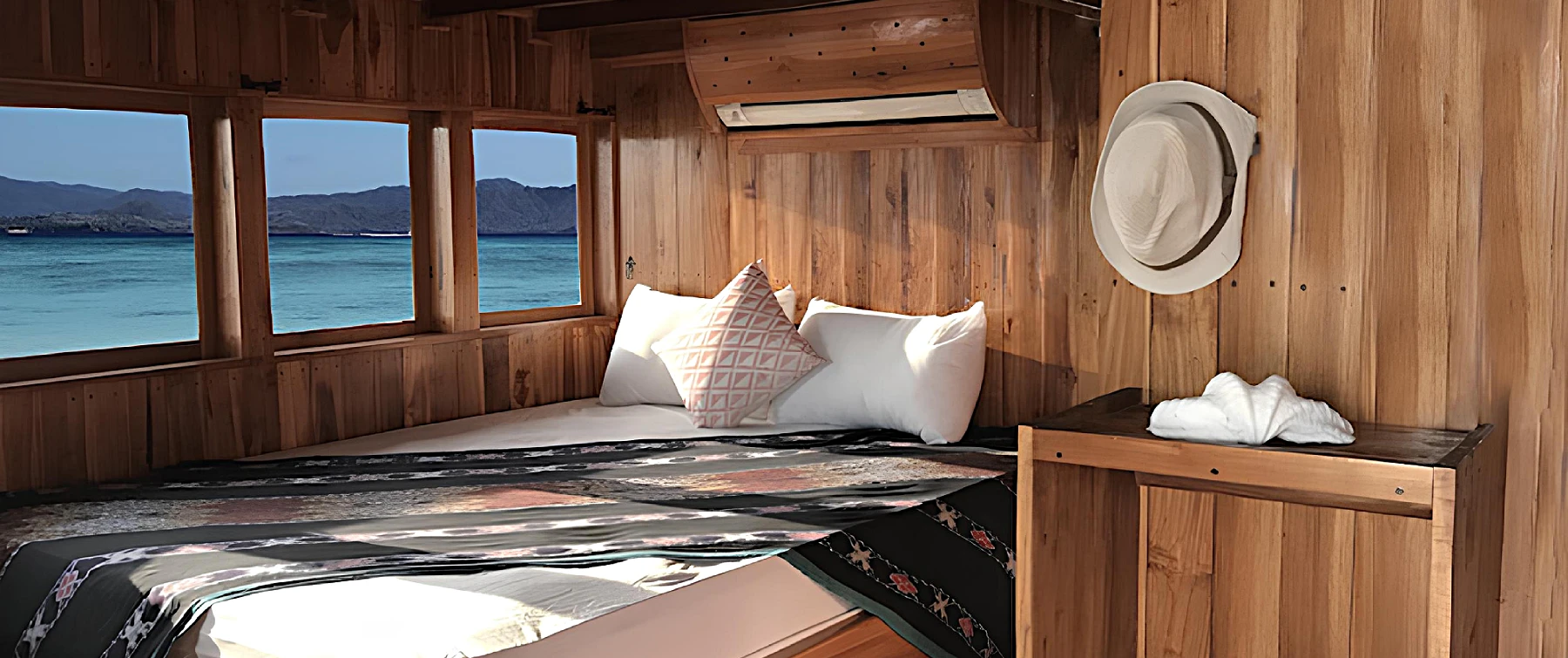
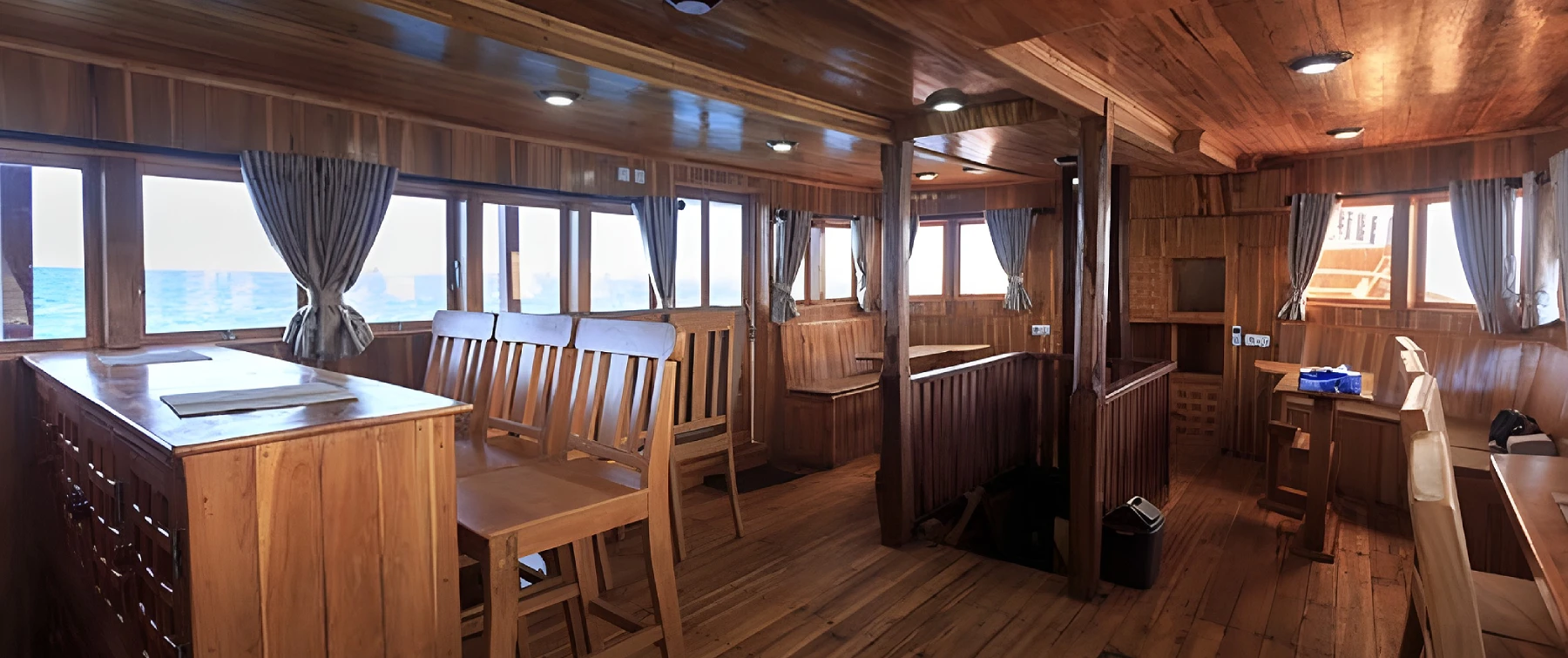
This vessel was built in 2018, and can carry up to 13 guests. The ship has preserved its traditional ambience, but offers modern, clean and safe spaces. There are five cabins: one above deck and four below. Additional space for socializing includes three decks on three different levels, and an indoor lounge. All cabins are air conditioned and have their own bathrooms.

Ship Overview

  • Five air conditioned sleeping cabins
  • Quality bedsheets, blankets, and towels
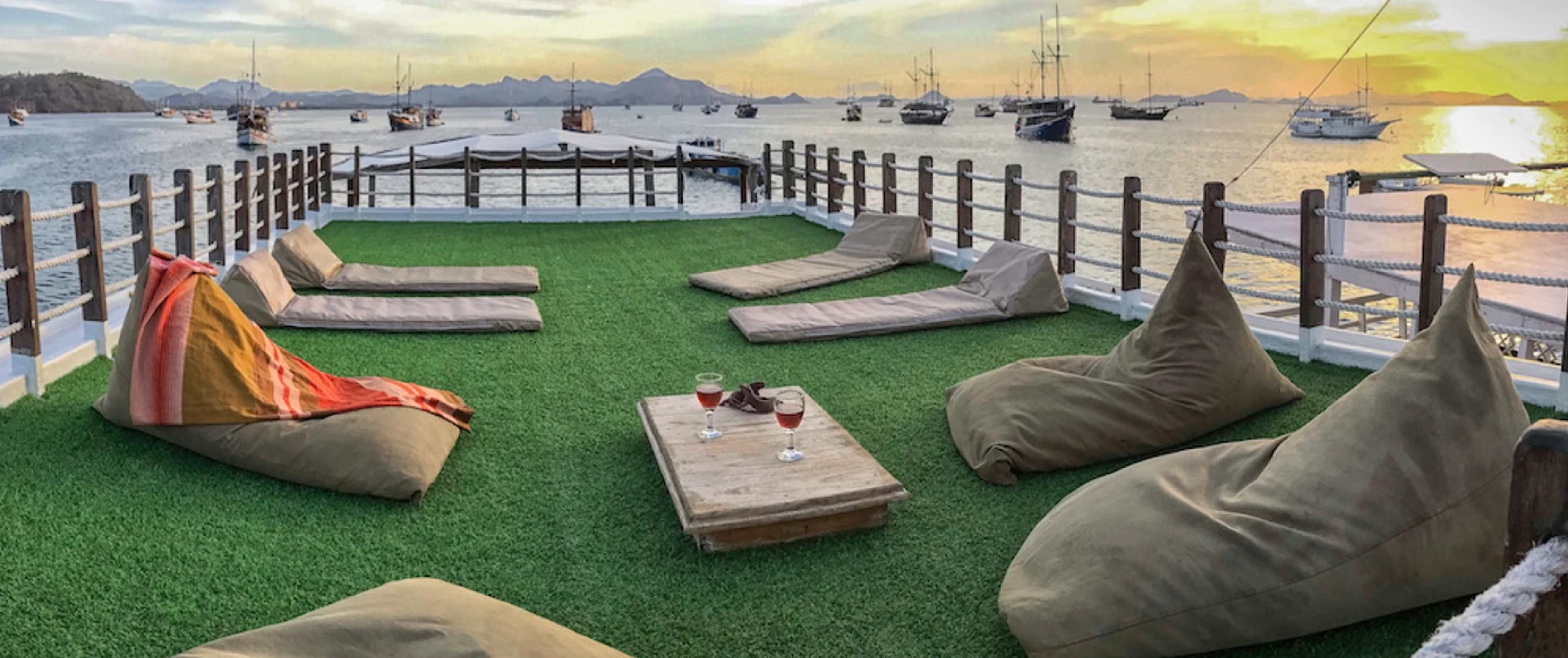
  • Four expansive decks equipped with sun loungers, beanbags, and wooden chairs
  • One dining area
  • A warm-wood, expansive salon equipped with built-in seating areas

Cabin Details

  • 1 – Upper Deck Cabin with 1 double bed (can have an additional single mattress on floor)
  • 2 – Lower Deck Cabins with 1 double bed and 1 single bed
  • 2 – Lower Deck Cabins with 2 single beds

Ship Particulars

Built: 2018
Flag: Indonesia
Licensed and certified: Labuan Bajo, Flores
Capacity: 13 passengers
Crew: 7 men
Group Leaders, if desired: 1 – 2 people (Western, Indonesian, or combination)
Cabins: 5
Tonnage: 77 tons
Length: 30 meters
Beam: 6 meters
Top Speed: 7 knots
Decks: 3
Passenger Social Spaces: 5

Onboard Features & Amenities

  • Monohull one-masted sailing ship with a ketch rig
  • 230 hp Mitsubishi 6D16 diesel engine
  • 6,000 liter water tank
  • 3,000 liter diesel tank
  • 3 generators
  • Swimming ladder
  • Life jackets
  • 2 dinghies
  • Garmin Chartplotter
  • VHF Radio
  • Fire extinguishers
  • Fishing lines
  • Snorkeling gear
  • Dive tanks and equipment
  • 220 Volt European sockets
  • Bluetooth speaker Sony XB60
  • WiFi
  • Air conditioning

The Cost

Covered

  • Three meals per day on boat
  • Soft drinks, mineral water, coffee, tea
  • Freshly squeezed Juice-of-the-Day
  • Beer, wine, arak, vodka, gin, whisky, and rum
  • Snacks
  • Fruits – any time of day or night
  • All linens, including towels
  • Services of Captain and Crew
  • National Park access fees
  • Wifi
  • Snorkeling gear
  • Pick up from your hotel to boat marina on first day
3 Days 4 Days 6 Days 9 Days 12 Days
$18,000 $20,000 $24,000 $29,000 $34,000

NOTES

  • Prices effective from January 1, 2026
  • All prices in USD

NOT COVERED

  • Accommodations for one night before we sail.
  • Tips, if you choose to give gratuity to the crew.

OPTIONAL

  • Services of one or two Group Leaders, if desired (Depends on group size. Leaders can be Western, Indonesian, or both.)
  • Group Leaders can provide a warm welcome with transport from the airport in Labuan Bajo, Flores (LBJ) to your hotel on the day before we sail, snorkeling instruction, explanations, and general assistance throughout the trip.
    • One Western Group Leader accompaniment, 3, 4, or 6 day trips: $2,000
    • One Western Group Leader accompaniment, 9 or 12 day trips: $3,000
    • Two Western Group Leaders accompaniment, 3, 4, or 6 day trips: $3,500
    • Two Western Group Leaders accompaniment, 9 or 12 day trips: $5,500
  • All itineraries are available as dive trips, with full gear and a divemaster. Diving: $300 per person / per day (Includes dive gear and divemaster.)

When to Travel

Sailing amongst islands that change at any given point of the year, you’ll see nature in progress. From April and May and June, the islands are a lush green. July through September see a more dry and barren – yet equally stunning – savannah-covered vista, contrasting nicely with the water. Later in October the green returns in striking patches, and from then until March, nature works hard creating new life again. Expect year-round temperatures in the 80s, and turquoise-blue water that never feels cold.

We run our trips during the safest and most optimal time to be here – from April to the first week in November. For date availability, please contact us at TravelWithClarity@gmail.com


Questions?

Contact With Clarity

To contact us send an email to

TravelWithClarity@gmail.com